A Practical Guide to Choosing Fresh, High-Quality Meat
A clear guide on how to evaluate meat quality using your senses, avoid spoiled products, and shop with confidence at the supermarket or butcher.
1. Key Indicators of Fresh Meat
When evaluating raw meat, rely on three primary senses: Sight, Smell, and Touch.
| Meat Type | Fresh Color Standard | Red Flags to Avoid |
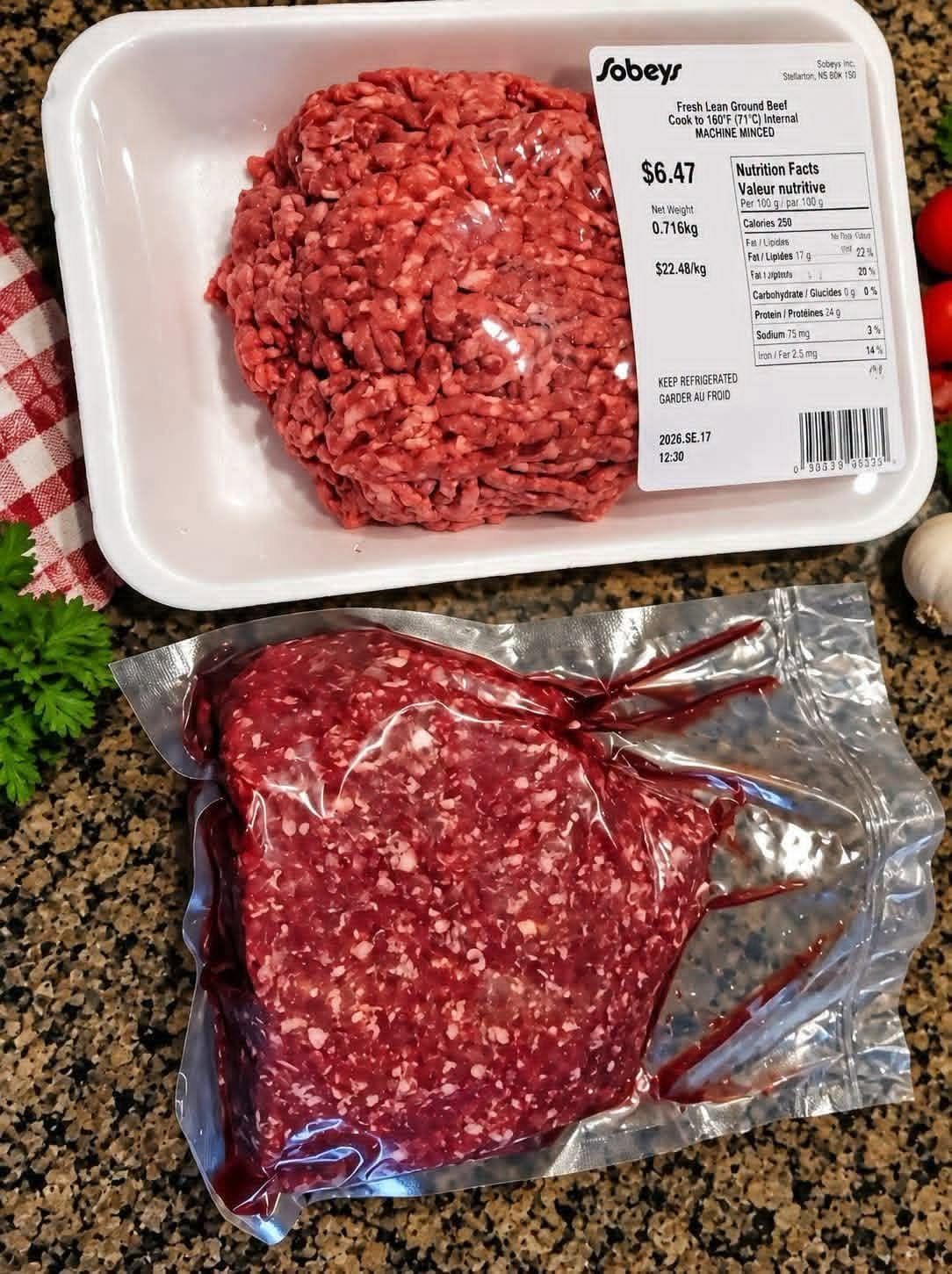
| Beef | Bright cherry-red | Dull gray, brownish cast, or dark spots |
| Pork | Pinkish-gray | Pale/bleached white, yellowish, or dark brown edges |
| Poultry | Pale pink to creamy white | Gray, greenish tint, or yellowing fat |
Other Sensory Checks
-
Smell: Fresh meat has a mild, neutral odor. Avoid any sour, ammonia-like, or overly “gamey” smells.
-
Texture: Surface should feel firm, elastic, and slightly moist. Avoid meat that feels sticky, slimy, or tacky.
2. Packaging & Label Checklist
For Complete Cooking STEPS Please Head On Over To Next Page Or Open button (>)